What most people don’t see is that the hardest part isn’t always the system itself — it’s what happens before you even get there.
That’s the pre-therapy literacy gap: not knowing where to start, what you’re looking for, or how to tell if a service is safe or right for you.
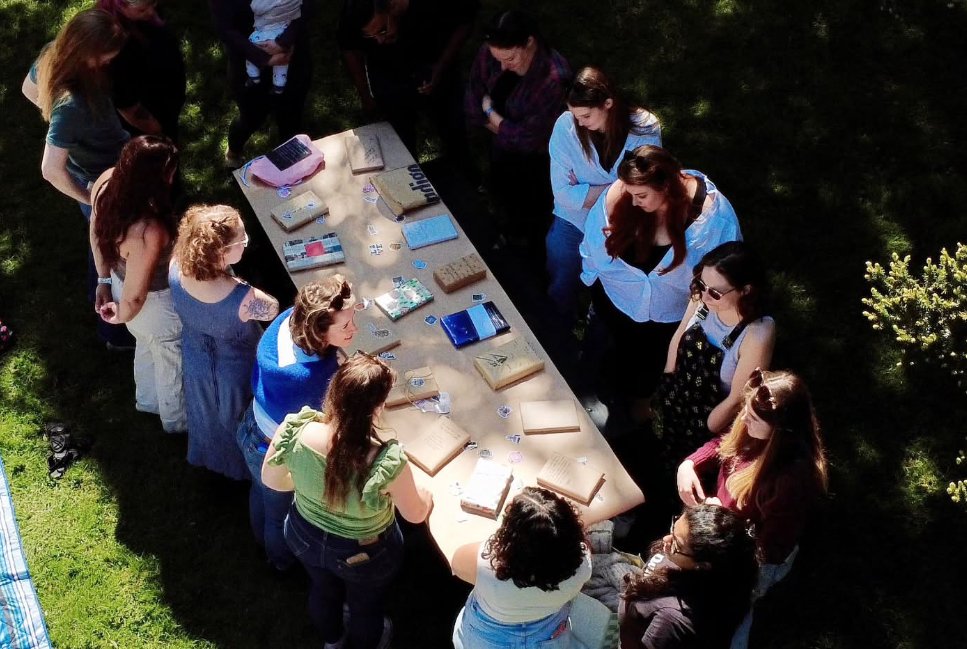
Inside the group, people share their stories, map their strengths, learn what different therapy models are really built on, and figure out what they need from a therapist. They take real steps toward care — together.
That’s why we built Let’s Talk Access.
We are putting three pieces together:
When a room fills with stories, something rare happens: people feel seen by each other. One voice makes the next braver. That energy becomes the guiding force of the podcast, stitched with expert voices and a narrator. Each episode drops with a free Access Guide so the learning doesn’t end when the group does.
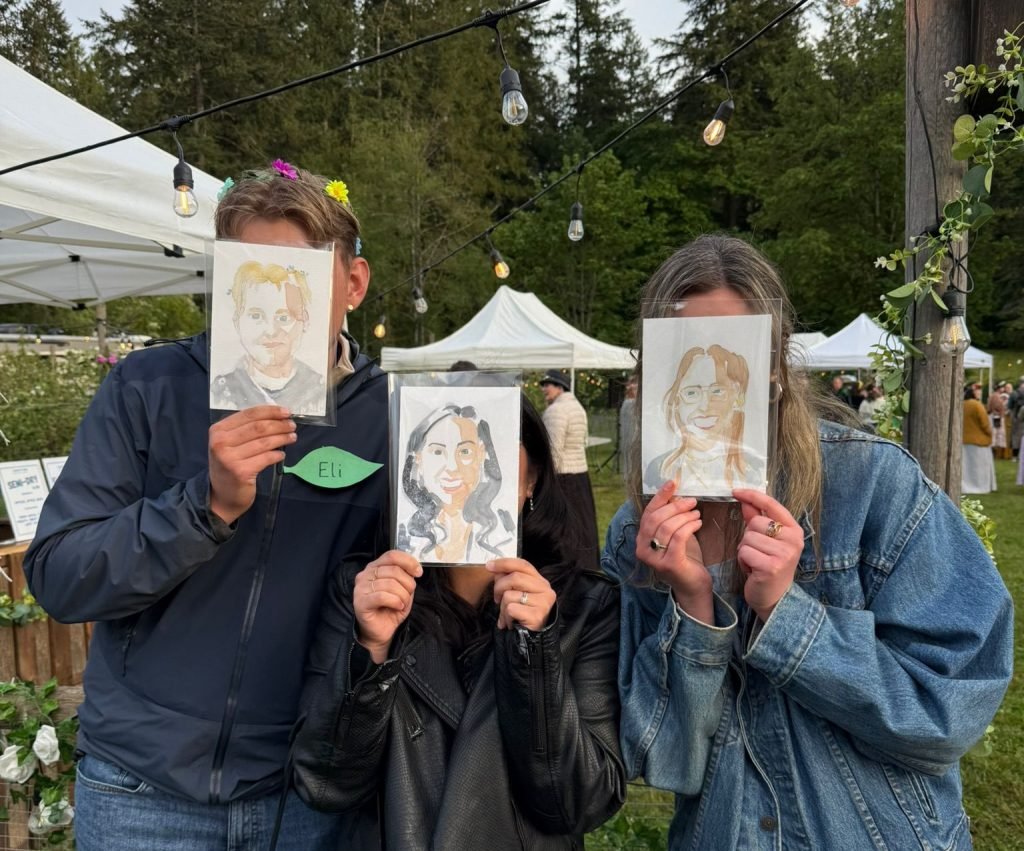
Let’s Talk Access helps people better understand and navigate mental-health care through public education, storytelling, arts and culture, community gathering, and resource redistribution.
We build knowledge, connection, and practical access so people can make informed choices on their own terms.
Our work is designed to strengthen both individual agency and community belonging.
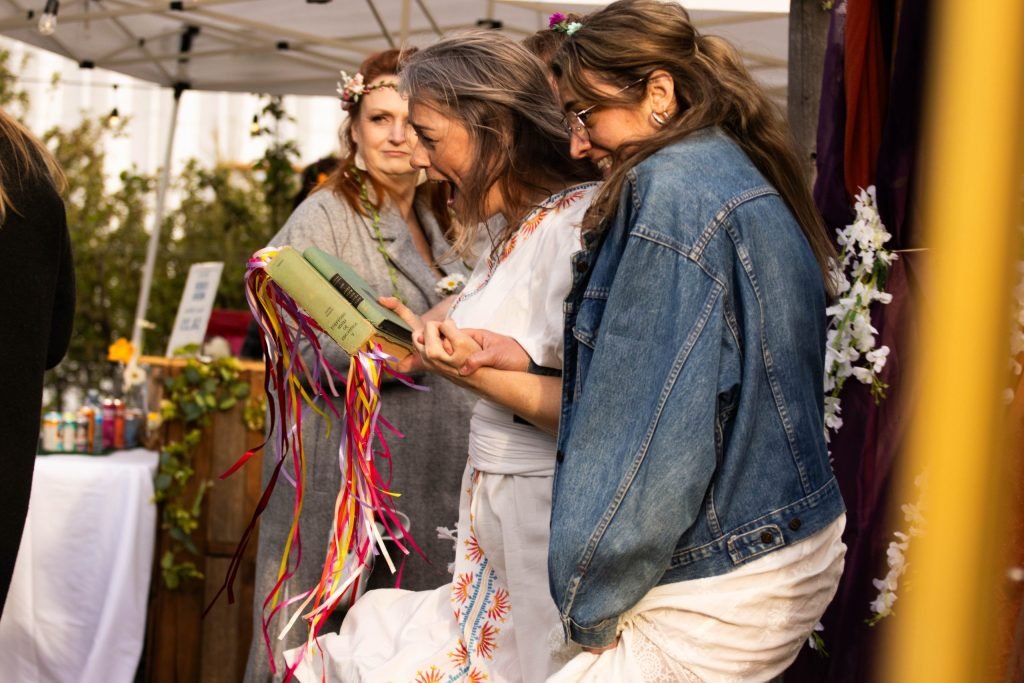
We envision communities where mental-health care is understandable, culturally responsive, and easier to navigate — and where people are supported in their agency to gather, learn, create, connect, and participate in their own wellbeing. Where we create spaces for that to happen.
Mental-health literacy should live not only in clinics, but in stories, public spaces, community organizations, and everyday life.
Access is more than whether a service exists.
People also need information, language, trusted relationships, welcoming spaces, and the confidence to understand what support fits them.
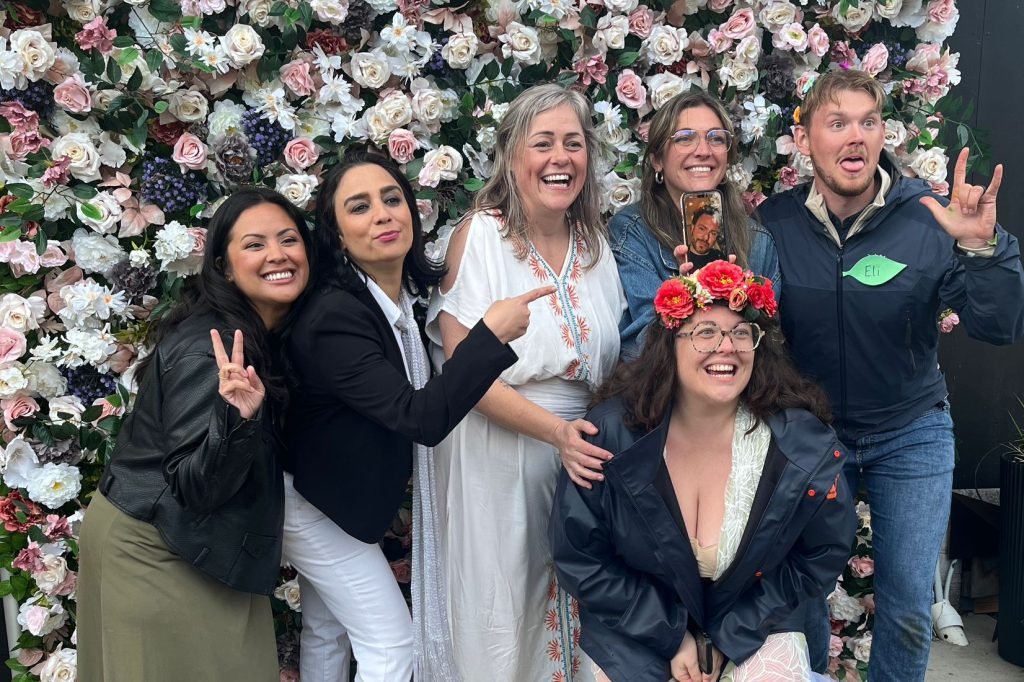
That is why we bring mental-health literacy into community life through education, storytelling, arts, culture, and gathering — then work to move the resources generated through that work back toward greater access.
Because better systems require informed people, connected communities, and real pathways to care.
That showed us the model works: when you pair practical tools with lived storytelling, invisible barriers start to crack.
Anyone, anywhere, can use the model to build their own version.
Big organizations can license it — but only if they partner with grassroots groups to deliver it.
Oral storytelling — one of the oldest technologies we have — sits at the heart, putting choice and power back in people’s hands.
That foundation has carried through decades. We’re not just repeating it — we’ve adapted it, layering in innovations from today’s fields so it speaks to this era and the realities people are facing now. Trauma-aware. Grassroots-ready. Resilience-based. Built with the understanding that ruptures will happen, and real safety comes from having — and honouring — a process for repair.
What matters most is this: our model comes from deep roots and hard-won lessons, tested in tough places, carried by people with heavy histories. And it still works.
Giving us a physical hub and standing with us in the truth that oral knowledge-making and storytelling are art.
Supporting us with counselling connections for those ready to step into care now.
Literacy for movement, Third Space amplifies community reach through shared values, resources, and a commitment to education for lasting health.
Planting the seed that became Season 1, and seeding the forest we’re growing into Season 2.